250 Years of Growth: South Carolina’s Forestry’s Enduring Legacy
by Trip Chavis, Chief Executive Officer
August 27, 2026
With the United States hitting its 250th anniversary, it’s important to recognize the industries that helped shape its growth, with forestry among the most significant in South Carolina.
For over two centuries, South Carolina’s forests have supported economic development, supplied global markets, and provided essential materials for building homes, infrastructure, and communities across a growing nation. From colonial shipbuilding and naval stores to railroads and early industrial expansion, timber from the Southeast played a foundational role in America’s development.
But forestry in South Carolina is also a story of stewardship and renewal. Unlike many natural resources, forests regenerate, allowing generations of landowners, foresters, and conservationists to balance economic production with long-term sustainability.
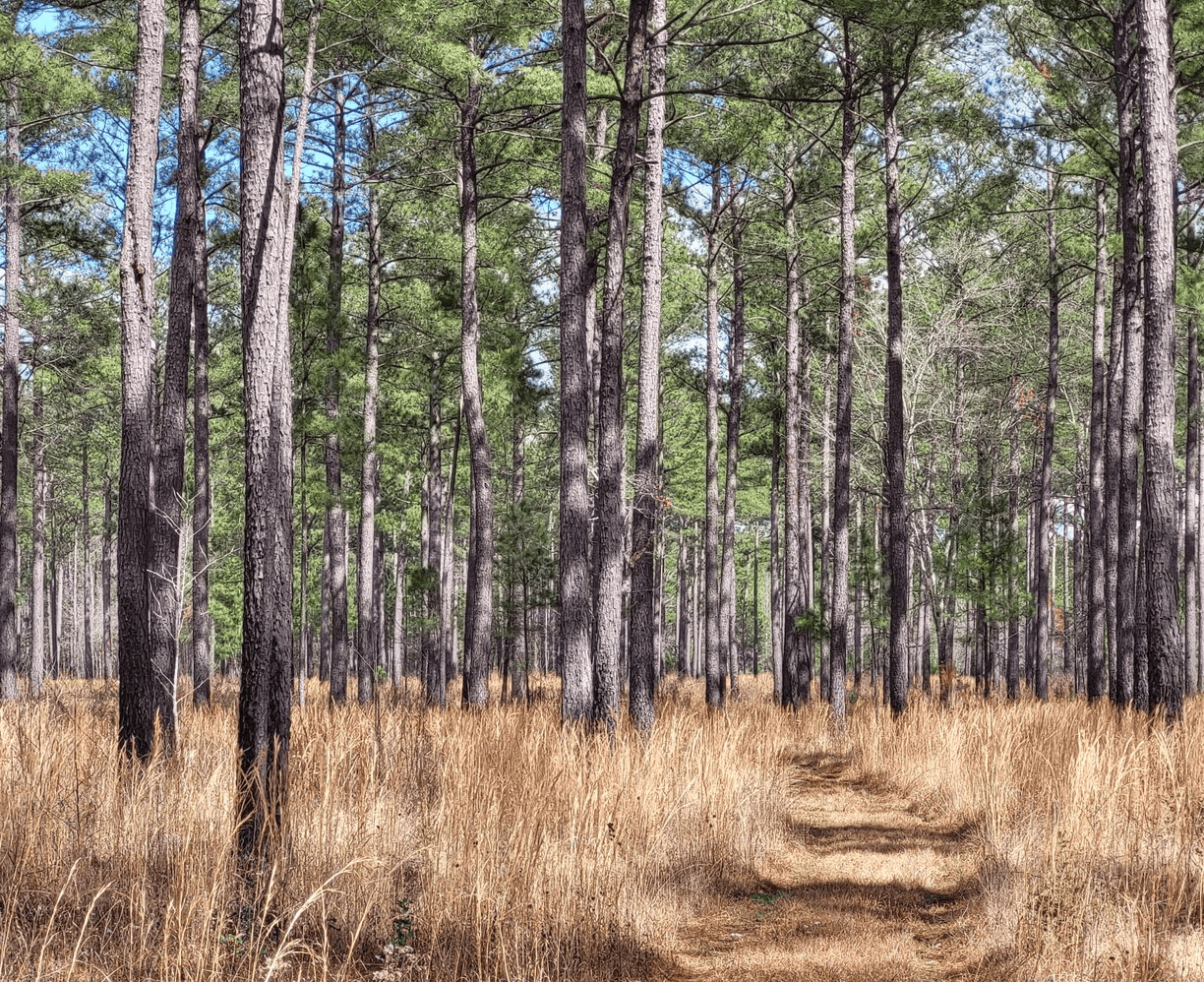
Today, South Carolina remains one of the most forested states in the country, with nearly 13 million acres of timberland. Forestry continues to be a major economic driver while also supporting clean water, wildlife habitat, carbon storage, and rural land conservation.
At the same time, the industry is rapidly evolving. Emerging opportunities in mass timber, bioenergy, carbon markets, and advanced wood products are reshaping how forests are valued and utilized. Forestry is increasingly being recognized not just as a resource, but as critical environmental and economic infrastructure.
South Carolina is well positioned to lead this next chapter, with strong timber resources, research institutions, and a deep legacy of private land stewardship. However, continued success will require innovation, investment, and long-term commitment to working forests.
At Milliken Advisors, we believe the future of forestry depends on balancing productivity with stewardship and growth with sustainability. For 250 years, South Carolina forests helped build America. Their role in shaping the future may be even greater.