What’s in a Plan? Developing a Strategic Portfolio Land Management Plan
by Woody Rogers, Vice President of Client Stewardship
August 25, 2026
When Milliken Advisors begins developing a relationship with a landowner, our first step is to create a land management plan centered on the owner’s primary objectives.
Historically, these plans focused primarily on timber and wildlife management, often covering a period of ten years or more. While those priorities remain important, today’s plans must account for a much broader range of opportunities. We encourage landowners to think strategically about their property, not simply as land to be managed, but as a portfolio of assets with multiple sources of potential value.
By evaluating the land and its natural resources, we can determine how each acre may support the owner’s financial, recreational, conservation, and legacy goals. These opportunities can then be incorporated into one comprehensive strategic portfolio management plan.
Because alternative land uses and emerging markets are constantly evolving, we typically recommend a five-year planning horizon, with the plan reviewed annually. This approach allows landowners to respond to new opportunities in areas such as biodiversity, carbon markets, conservation, renewable energy, and wetland mitigation. Annual reviews also help us account for changing market conditions, new programs, and shifts in the landowner’s priorities.
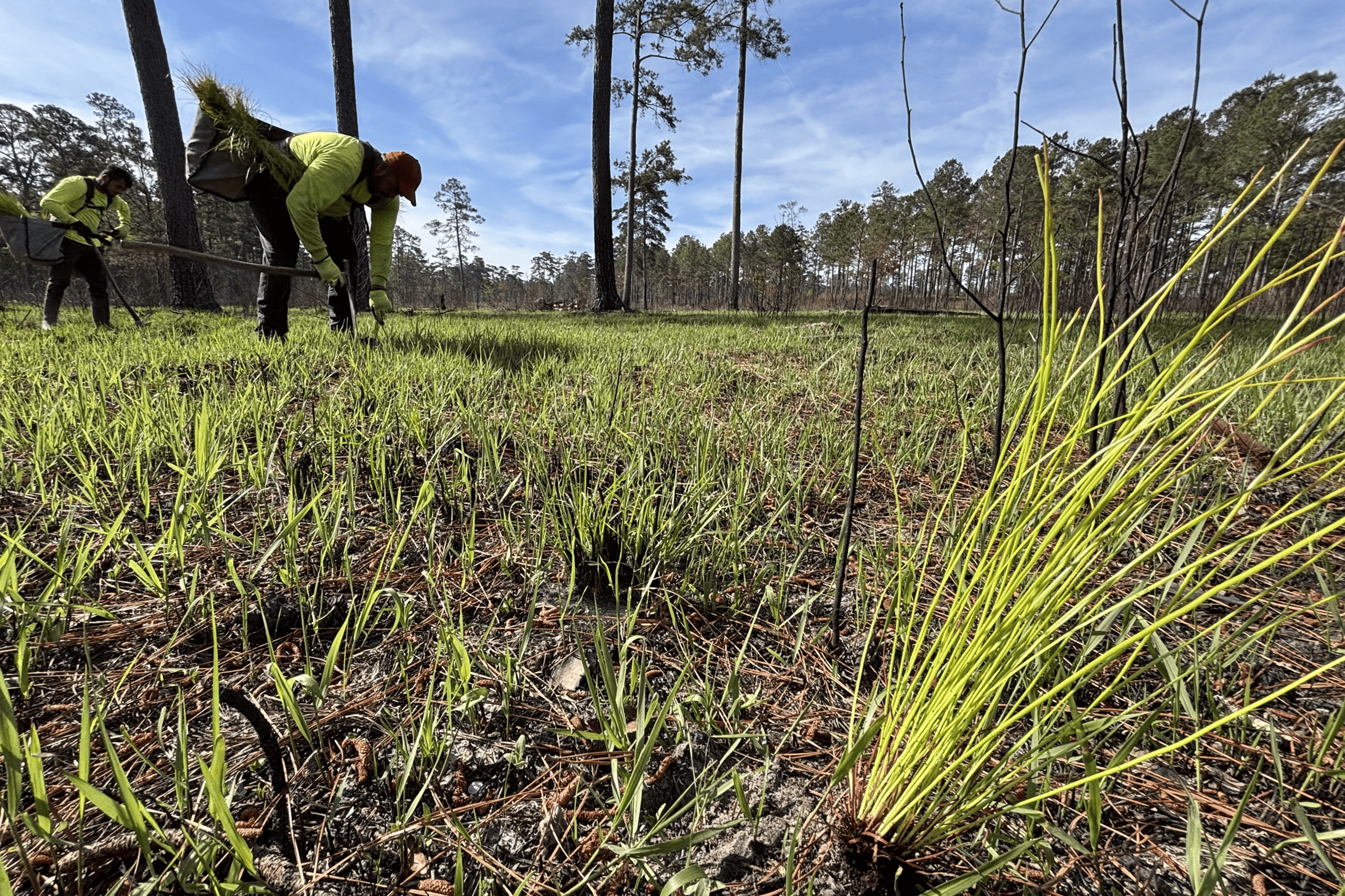
Timber management remains fundamental to many properties, but it has become increasingly sophisticated. Decisions involving pine species, genetics, planting density, and stocking levels must be evaluated in relation to the owner’s objectives and anticipated future timber markets. We also consider how timber management may complement or compete with the property’s other potential uses.
Managing these opportunities requires close collaboration between Milliken Advisors and our clients. Together, we develop and implement a customized plan that balances competing uses, identifies the most promising opportunities, and supports informed decision-making. Through thoughtful planning and ongoing evaluation, we help landowners position their assets to achieve return-based objectives while preserving the qualities that make their property valuable for generations to come.